








Value Added Tax (VAT) is a fundamental element of doing business in Cyprus. While it is a routine obligation, VAT compliance often presents challenges. Missteps can lead to penalties, cash flow disruption, delayed VAT refunds, and increased scrutiny from authorities.
With the right structuring, however, VAT can move beyond a compliance burden and become part of effective financial planning.
Understanding VAT in Cyprus
Cyprus operates a VAT system aligned with EU VAT Directive principles. The standard VAT rate is 19%, with reduced rates of 9%, 5%, 3% and 0%, alongside specific VAT exemptions for certain goods and services.
For businesses, effective VAT management relies on:
- Accurate record-keeping
- Correct VAT classification
- Timely VAT reporting
- Clear understanding of local and cross-border rules.
Establishing these fundamentals is essential for maintaining compliance, reducing risk, and avoiding unnecessary costs.
Key VAT compliance considerations
Businesses operating in Cyprus should pay particular attention to the following areas:
- VAT registration
Companies are generally required to register for VAT once their taxable turnover exceeds the statutory threshold. In some cases, voluntary VAT registration may also be beneficial, particularly for businesses seeking to recover input VAT or strengthen commercial credibility. - Accurate VAT invoicing
VAT invoices must contain all mandatory information and reflect the correct VAT treatment and applicable rate. Strong invoicing procedures support compliance, facilitate VAT recovery, and improve audit readiness. - Timely VAT returns and payments
VAT returns in Cyprus are generally submitted quarterly. Late filing or delayed payment may result in penalties and interest charges while negatively affecting cash flow management. - Cross-border VAT treatment
Businesses engaged in EU trade must correctly apply mechanisms such as the reverse charge and assess whether OSS (One Stop Shop) obligations arise. Transactions involving non-EU jurisdictions also require careful VAT analysis depending on the nature of the goods or services provided.
VAT planning: Beyond compliance
A proactive approach to VAT can provide operational benefits. Effective VAT planning supports liquidity management, minimises risk, and improves efficiency.
Key areas businesses should consider include:
- Reviewing supply chain structures for VAT efficiency
- Maximising available VAT exemptions and reliefs
- Ensuring correct classification of goods and services
- Forecasting VAT liabilities to strengthen cash flow management
By integrating VAT considerations into broader financial planning, businesses can reduce uncertainties and make better decisions.
The value of expert VAT support
VAT compliance is not simply a regulatory requirement. It often reflects the effectiveness of a company’s internal controls and financial discipline. Errors in VAT handling may affect financial reporting, external audits, and relationships with regulatory authorities.
At SPL, we work closely with businesses to provide:
- Practical, tailored VAT advisory and compliance support
- Ongoing VAT monitoring to minimise risks and penalties
- Clear guidance on complex transactions and business structuring
- Assistance during VAT audits and regulatory reviews
Our approach focuses on clarity, efficiency, and practical solutions tailored to each client’s operational needs.
Navigating VAT with confidence
Cyprus VAT should not become a source of uncertainty or concern. With robust internal processes, timely reporting and planning, businesses can manage VAT obligations efficiently while supporting sustainable growth.
At SPL, we help organisations streamline VAT compliance processes, strengthen internal controls, and approach indirect taxation with confidence, allowing management teams to remain focused on core business objectives.
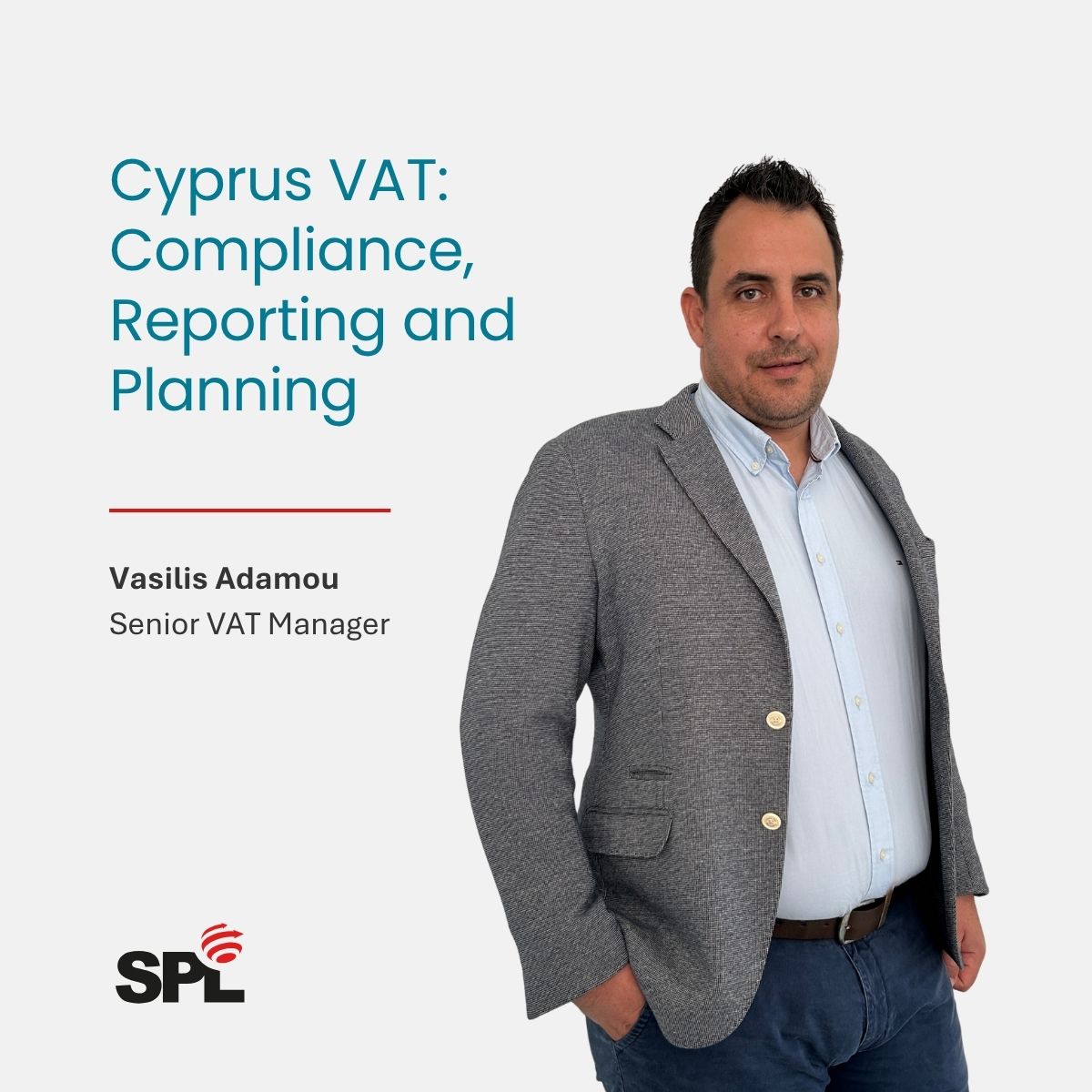
By Vasilis Adamou
SPL Audit (Cyprus) Limited
Senior VAT & Accounting Manager
Email: vadamou@splcy.com