
Gen Z is entering the workplace with a different perspective on careers.
Having grown up in a world of technological change, global connectivity, and new ways of working, young professionals are questioning traditional ideas around employment and success.
For many, a successful career is no longer defined only by a job title, salary, or climbing the corporate ladder. Flexibility, personal development, meaningful work, and the ability to maintain a life outside work are increasingly part of the conversation.
At the same time, young people today have more career options than previous generations. Entrepreneurship, freelancing, remote work, and new digital professions have made creating your own path more accessible.
Finding direction in a world of possibilities
At 18, 20, or 25, it is perfectly normal not to know exactly where you want to be in ten years. Career decisions often begin earlier than we realise. From choosing what to study after school to deciding on a first job, young people are expected to make important choices about their future before experiencing the working world.
Yet there is often pressure to have a clear plan. Seeing successful entrepreneurs, professionals, and creators can make young people feel they should already know where they are going.
The reality is that careers rarely follow a perfect plan. Your first professional experiences can help you discover what you enjoy, what you are good at, and what you want to pursue, while introducing you to people, industries, and opportunities you may never have considered.
You do not need to have your entire career figured out before you start building it.
Skills are still the foundation
The workplace is changing quickly, particularly with the development of AI and new technologies. But technology does not remove the need for strong professional foundations.
Communication, critical thinking, teamwork, problem-solving, professional judgement, and the ability to work effectively with others remain valuable across almost every career. These skills develop through experience and play an important role in both professional and everyday life.
Working with real clients, deadlines, and responsibilities teaches you how businesses operate and how to contribute as part of a team. These experiences remain valuable whether your future leads to management, entrepreneurship, specialisation, or something you have not yet considered.
Building your future at SPL
Choosing an employer means finding an environment where you can learn, contribute, and grow. Young professionals should look for organisations that are established, people-centred, and committed to development.
This includes:
• Opportunities to learn from experienced colleagues.
• Training and professional development.
• Meaningful responsibilities.
• Constructive feedback and support.
• Opportunities to develop technical and interpersonal skills.
• A workplace culture built on communication, collaboration, and mutual respect.
At SPL, we welcome both new joiners and experienced professionals at different stages of their careers. Whether someone is taking their first steps into professional services, developing their expertise, or ready to take on greater responsibility, we provide support and opportunities for continued development.
Our people work alongside experienced colleagues, gain exposure to different areas of professional services, and take on greater responsibilities as they progress. We believe people should have the opportunity to build a career in an environment that supports their ambitions and recognises their contribution.
If you are looking for a workplace where you can develop your skills, take on new challenges, and build your future, explore the opportunities available at SPL through our Careers page.
Ambition can take different forms
Ambition does not look the same for everyone. Some people want to lead teams, develop specialised expertise, take on greater responsibility, or eventually build something of their own. Others want to build a long-term career within an organisation where they can continue learning and progressing.
What matters is finding an environment where ambition is recognised, and people have opportunities to develop.
The right professional environment can help young people build confidence, take initiative, develop their judgement, and discover what they are capable of.
There is no single definition of ambition, and there is no single route to success.
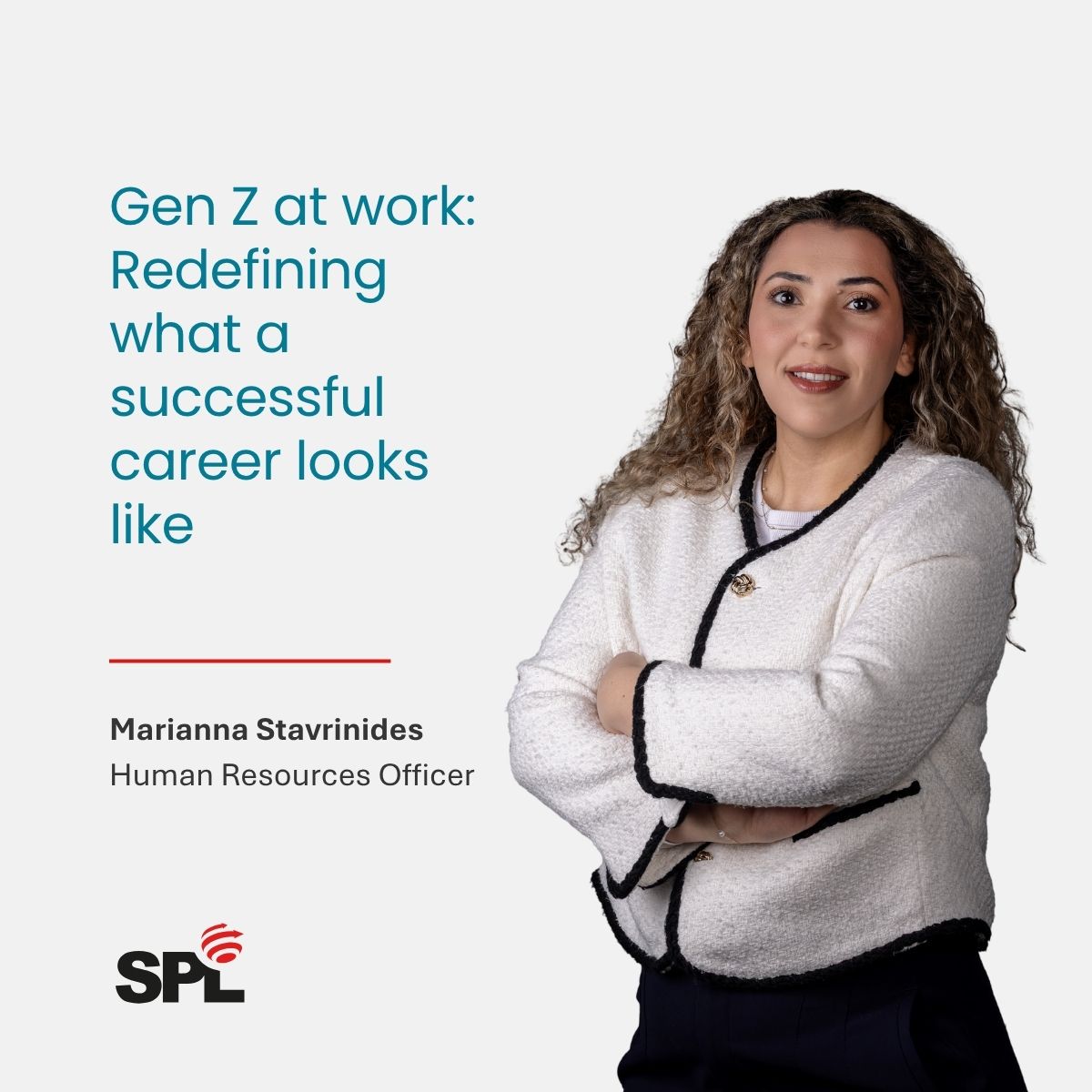
By Marianna Stavrinides
SPL Audit (Cyprus) Limited
HR Officer
Email: mstavrinides@splcy.com